
Spring’s most striking performers
As the county wakes to spring and the skies begin to thrum with the call of wildlife, Norfolk’s resident birds put on their finest display
With its rich mix of habitats, sweeping landscapes and mild climate, it’s little wonder Norfolk is considered the birdwatching capital of East Anglia. As migrating species return to the coast and year-round residents make the most of the season’s abundance, spring becomes a time when the county never falls quiet.

This is the moment each year when Norfolk’s soundtrack begins to swell. Among the most familiar voices are the blue tits, their bright plumage and distinctive tsee-tsee-tsee call a cheerful sign of spring. Agile and endlessly active, they flit through parks, gardens and woodland, hunting for caterpillars and spiders to feed their hungry broods. Watch closely and you may spot adults darting back to the nest with beaks full of insects, a sure sign that new life has arrived.
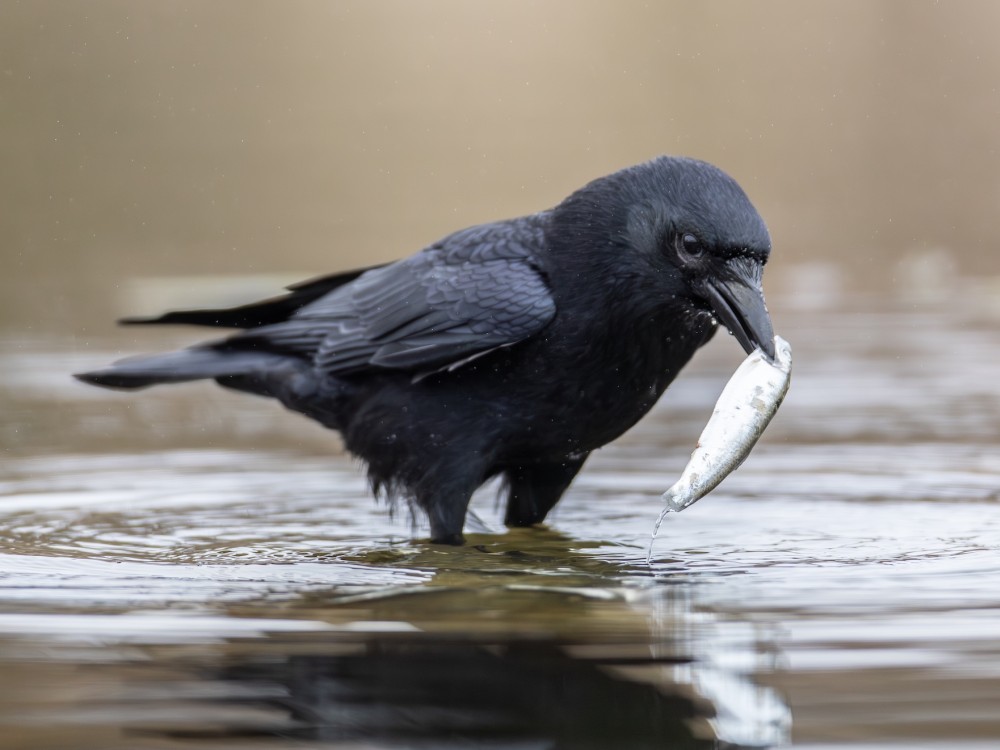
Where there is food, the carrion crow is rarely far behind. Though not as visually stunning as other species, their bold intelligence and opportunistic hunting offer a display of their own. Spring brings the added drama of mating season: louder calls and bolder, territorial behaviour. When they aren’t foraging in the countryside or urban areas, you may even catch them stalking small fish with calculated precision along tidal flats and river edges.
Norfolk’s waterways offer some of the most rewarding encounters of the season. At places like Surlingham Church Marsh, the kingfisher is the jewel to look for. A flash of electric blue and copper is often the first clue, followed by the sharp, high-pitched whistle that announces its swift flight along the riverbank. By June, patient birdwatchers may even spot juvenile kingfishers learning to hunt, watched closely by fiercely protective parents perched on low branches above the water.
The little egret is anything but inconspicuous. Instantly recognisable by its sleek white plumage, slender black bill and bright yellow feet (used to stir prey from mud and shallow water), this elegant heron is now a familiar presence at Cley Marshes in spring. Once considered a rare migratory visitor, it has firmly established itself in Norfolk and, with numbers continuing to rise, it is increasingly easy to spot. In the soft light of early morning or late afternoon, the little egret often stands poised and perfectly still, waiting for the ideal moment to strike.
One resident bird you might not expect to find beside the water is the tiny but colourful goldfinch. Look closely among the reedbeds and bulrushes and you may see them delicately foraging for seeds. Ragwort, dandelions and teasels are among their favourite foods, and their long, fine bills are perfectly adapted for reaching into spiky plants and extracting hard-to-reach morsels. Lush gardens, woodland, heathland and farmland all provide ideal habitat for Norfolk’s goldfinches, especially in spring when pairs are nesting and the landscape is alive with their bright, tumbling song.

Titchwell Marsh remains one of the best places to enjoy their acrobatic antics, whether they’re hanging upside down on seed heads or gliding between plants in buoyant, bouncing flight. Their cheerful, melodic calls are just as enchanting, often catching the ear before the eye with short bursts of sweet notes as they go about their day.
There’s certainly much to discover this season for birdwatchers, even among Norfolk’s resident species alone. So, grab your binoculars, lace up your best walking shoes, and make the most of the winged wonders that have made their home across our landscapes.
